Ojude Oba 2026 celebrates Ijebu culture in grand style
The 2026 Ojude Oba Festival once again transformed Ijebu-Ode, Ogun State, into a vibrant display of culture, fashion, and tradition. Thousands of guests gathered to witness one of Nigeria’s most celebrated cultural events, which traditionally takes place on the third day after Eid-el-Kabir.
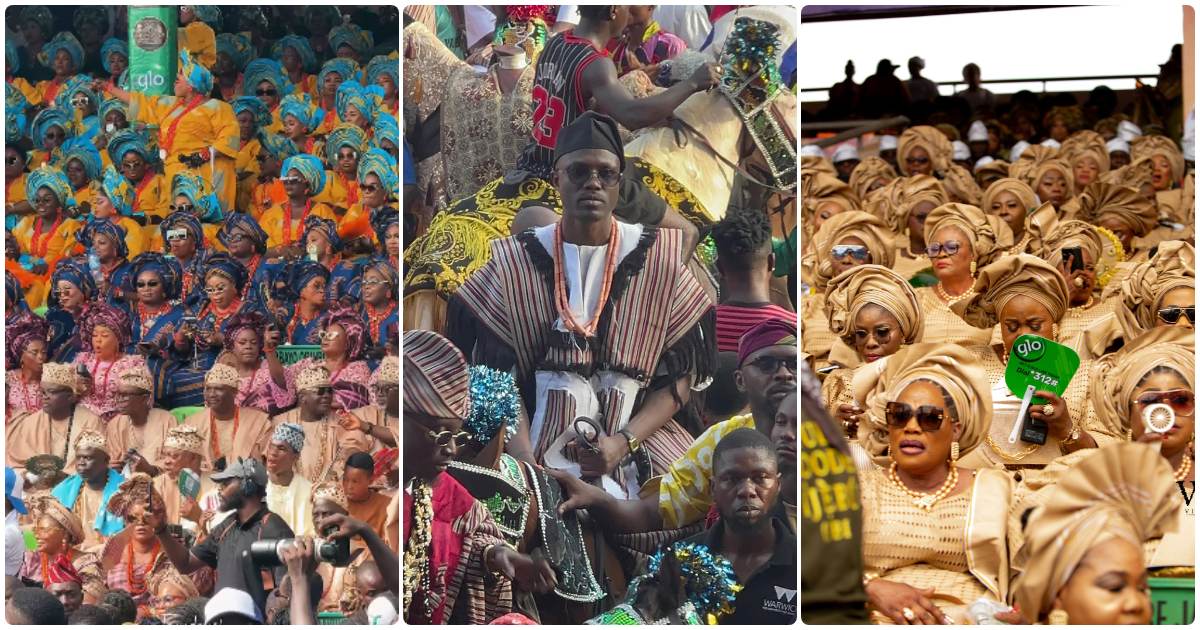
This year’s edition featured colourful parades, elegant traditional attire, horse-riding displays, and cultural performances. Men and women appeared in their finest outfits, showcasing the rich heritage of the Ijebu people.
Ojude Oba began more than a century ago through the efforts of the Kuku family. The celebration was originally organised to appreciate the Awujale of Ijebuland for allowing the early Muslim community to practise their faith freely. Over the years, however, the event has grown into a broader cultural festival that welcomes people of all religions and backgrounds.
Festival holds despite absence of reigning Awujale
The 2026 edition carried special significance because it was the first major Ojude Oba celebration following the death of the late Awujale of Ijebuland, Oba Sikiru Kayode Adetona. He passed away on July 13, 2025, at the age of 91.
Although there is currently no reigning Awujale, the festival proceeded as scheduled on May 29. To honour the late monarch, organisers placed his photograph on the royal throne during the ceremony.
Meanwhile, the Ogbeni Oja of Ijebuland, Chief Sunny Kuku serves as regent of Awujale. He oversees the palace’s affairs, including the festival. Participants accorded him the same respect traditionally reserved for the Awujale during the celebration.
Who is eligible to participate in the parade?
Ojuse Oba has become a festival that attracts tourists globally. While many visitors attend Ojude Oba each year, only specific groups are officially permitted to parade before the king. They all appear beautifully and gayly dressed in their best traditional outfits.
The first category consists of the Balogun families, who are regarded as the traditional warlords and military leaders of Ijebuland. These include Balogun Alausa, Balogun Shote, Balogun Shoye, Balogun Kuku, Balogun Otubu, Balogun Odejayi, Balogun Sarumi, Balogun Alatishe, and Balogun Odunuga.
The second category comprises the Elesin families, known for their historic cavalry traditions. Notable families include Elesin Oreagba, Elesin Ojosipe, Elesin Agbojo, Elesin Oyewole, Elesin Aregbesola, Elesin Seriki, and several others.
In addition, the Regberegbe, age-grade, groups play a central role in the festivities. These groups consist of people born within specific three-year periods who come together to promote community development and preserve cultural values.
View this post on Instagram
A post shared by Temidayoh | Mobile Videographer | Mobile Photographer (@_temidayoh)
For Ojude Oba, each regberegbe comes to the parade ground in their beautiful traditional asoebi (uniform) mostly made from Yoruba major material, asooke. Each age grade appears in different colour of outfit from the other.
With more than 50 recognised age-grade groups, the Regberegbe system adds colour, unity, and energy to the Ojude Oba Festival, helping to keep one of Nigeria’s oldest cultural traditions alive for future generations.